What to Look for in an NZ Medical Alert System for Your Loved One
Choosing a medical alert system for a parent or grandparent can feel like navigating a minefield of technical claims and monthly fees. I have spent years working with families who are trying to make this decision, and the most common mistake I see is focusing on the wrong features first. People get distracted by sleek phone apps or fancy packaging, when what really matters is how the device behaves in an actual emergency. This is especially true when you are looking for an nz medical alert system that has to work reliably across the country, from urban apartments to rural farmhouses.
The Core Question: Will It Work When It Matters?
The first thing to understand is that a medical alarm is only as good as its connection. In New Zealand, mobile coverage can be patchy, especially in the regions where many older people live. You need a device that uses the best available network for the area. Some systems rely on cellular networks that have excellent coverage in cities but fail in the countryside. Others use a combination of cellular and landline, which can be more stable but ties the user to their home. A good nz medical alert system will be tested on the local networks and will often come with a fallback option, like a secondary SIM card or a backup battery that can power the base unit for hours.
Connect with us on YouTube.
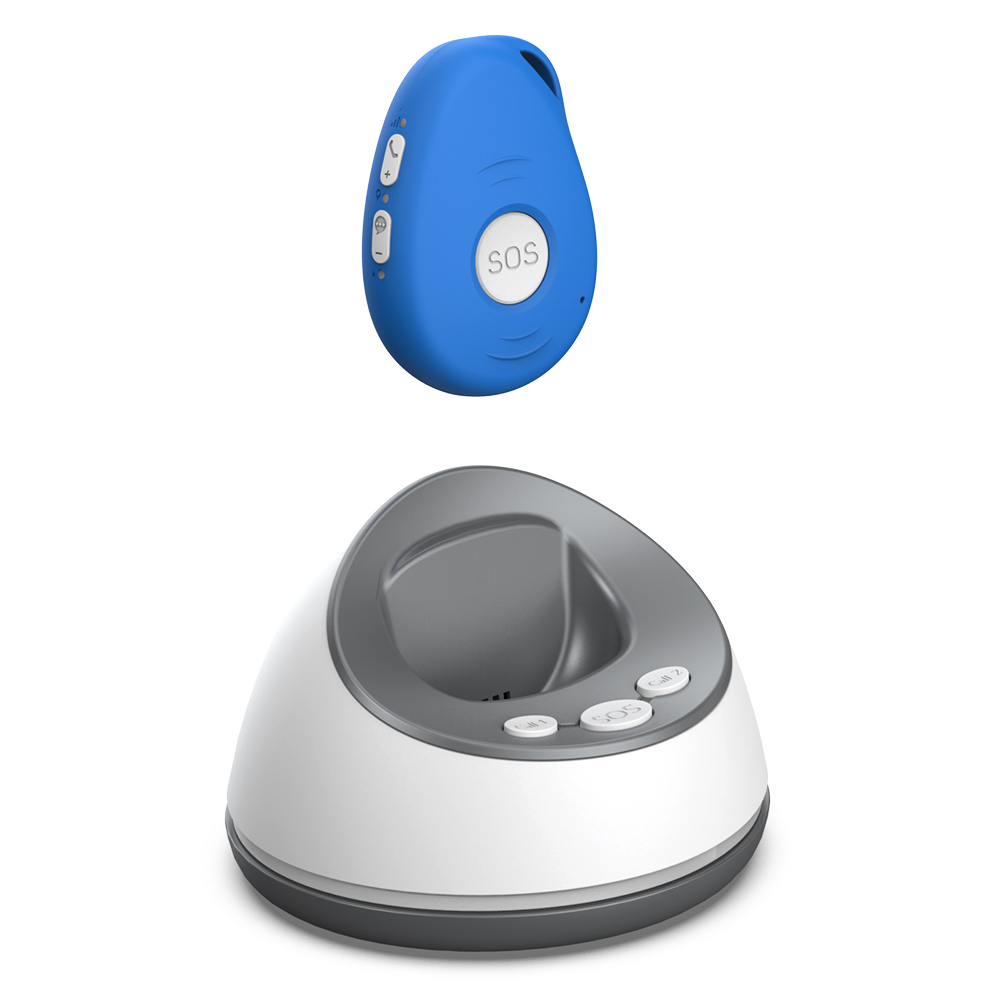
Another factor is the range of the pendant or wristband from the base unit. Many systems claim a range of 200 metres or more, but real-world conditions like thick concrete walls, metal roofs, or hilly terrain can cut that down significantly. I have seen cases where a pendant could not reach the base from the garden shed, which is exactly where a fall might happen. So before you commit, ask the provider for a trial period or a range test specific to the property layout.
Fall Detection: A Helpful Feature, Not a Guarantee
Fall detection is the feature most people ask about first. It sounds like a perfect solution: if someone falls and cannot press the button, the system detects the fall automatically and calls for help. But the reality is more nuanced. Most fall detection uses accelerometers and algorithms that try to distinguish a fall from a sudden sit, a dropped device, or a bump against furniture. No system is 100 percent accurate. Some false alarms happen, and some real falls may not trigger the alert.
What matters is how the system handles those gaps. Does it let the user cancel a false alarm easily? Is there a manual button that still works if the automatic detection fails? And does the monitoring centre have protocols to handle a fall alert even when no voice contact can be made? I always advise families to treat fall detection as a bonus layer of safety, not the primary method. The most reliable approach is still a pendant that the person wears consistently and presses when they need help. Fall detection should be seen as a backup for those moments when the person is unconscious or unable to move their arms.

Two-Way Calling and Family Monitoring
One of the most important features in a modern medical alert system is two-way calling. This means the monitoring centre can speak directly through the base unit or the pendant speaker to the person in distress. It sounds simple, but it makes a huge difference in a real emergency. The operator can assess the situation, ask if the person is hurt, and determine whether an ambulance is needed. This reduces false dispatches and ensures that help is appropriate.
Some systems now offer family monitoring, where the alert is sent to a smartphone app that family members can see. This is a practical feature for families who live nearby or who want to stay informed. However, it can also create a false sense of security if the family member is not available to respond. A good system will have both professional monitoring and family notification, so that if the family does not respond within a set time, the professional centre takes over. That combination is what makes an nz medical alert system truly comprehensive.
Battery Life and Power Backup
Battery life is another area where marketing claims and real-world use diverge. A pendant that lasts for months on a coin cell battery is common, but the base unit often needs to be plugged into mains power. In a power cut, which can happen during storms or earthquakes, the base unit should have a backup battery that lasts at least 24 hours. Some systems also have a built-in cellular backup that keeps the call centre connected even if the landline goes down. These are not glamourous features, but they are the ones that keep the system alive when it is needed most.
GPS and Mobile Alarms for Active Seniors
For people who are still active and spend time away from home, a mobile alarm with GPS is a sensible choice. These devices look like a small pendant or a smartwatch and use GPS to pinpoint the wearer's location. They also use a cellular network to place the call. The trade-off is that they have shorter battery life, typically needing a charge every day or two, and they may not have the same range of fall detection as a home-based unit. But for someone who walks the dog, goes to the shops, or visits friends, the peace of mind is significant.
One thing to watch out for is whether the GPS works indoors as well as outdoors. Some devices rely on GPS signals that can be weak inside buildings, especially in large shopping centres or hospitals. A good mobile alarm will use a combination of GPS, Wi-Fi positioning, and cellular triangulation to locate the wearer even when they are inside. Ask the provider about this before buying.

Monthly Fees and Contracts
The cost of a medical alert system is not just the upfront price. Most systems require a monthly subscription for monitoring, and these fees vary widely. Some providers lock you into a long contract, while others offer month-to-month plans. I have seen families pay hundreds of dollars a year for a system they barely use, and others who paid a bit more upfront for a system that actually works in their setting. The key is to understand what the monthly fee covers: does it include 24/7 monitoring, fall detection, GPS tracking, and family app access? Or is it just the basic call centre service?
Also check if there are cancellation fees, equipment return costs, or hidden charges for extra pendants. A transparent provider will spell out all the costs in plain language.
Putting It All Together
When you start comparing options, do not just look at the price list. Think about the specific environment where the system will be used. Is the house made of concrete or timber? Does the person spend a lot of time in the garden or garage? Do they travel often? Do they have a medical condition that makes falls more likely, like low blood pressure or epilepsy? These details will guide you toward the right set of features.
I also recommend involving the person who will wear the alarm in the decision. If they find the pendant uncomfortable or the base unit hard to reach, they will stop using it. The best system is one that fits their daily life so naturally that it becomes second nature to wear it.
Finally, consider the human side of the service. When you call the monitoring centre for a test or a question, do you get a helpful person or a frustrating automated menu? The quality of the operator matters enormously in an emergency. A good system is backed by a team that is trained to handle the specific needs of older adults and people with medical conditions.
Familyr provides personal medical alarms for seniors in New Zealand with SOS, GPS, fall detection, and family-monitored two-way calling and is based at 14 Grand View Road, Remuera, Auckland 1050, New Zealand, phone +64 9 872 0345.
Ends · NZMEDICALALERTSYSTEMWIRE